
EPC Changes 2026: New EPC C Rule for Landlords Explained
Landlords
October 22, 2026

EICR's: how often you need one, who can do it, what the codes mean and the penalties for non-compliance.
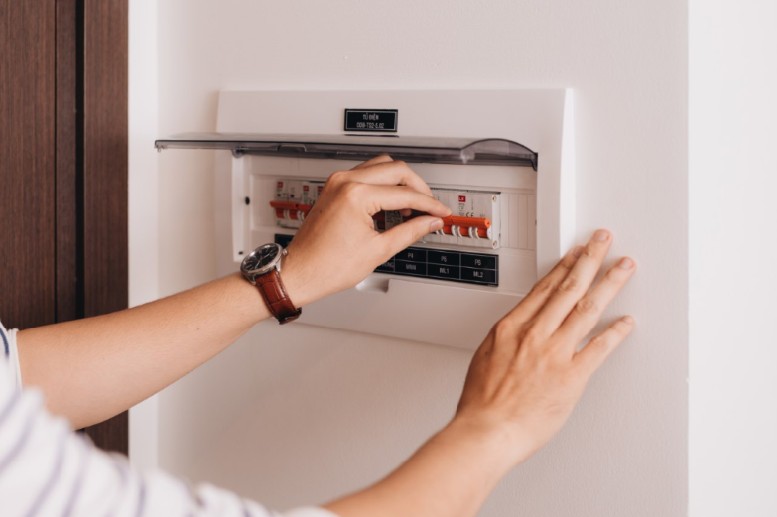
If you rent out a property in England, an EICR is a legal requirement. Getting it wrong can mean fines of up to £30,000, so it pays to understand the rules before your certificate runs out. This guide explains what an EICR is, how often you need one, what the codes mean and what to do if your property fails.
An EICR (Electrical Installation Condition Report) is a formal inspection of the fixed electrical installation in a property. A qualified electrician checks the wiring, consumer unit (fuse box), sockets, switches and light fittings against the current wiring standard, BS 7671.
You may also hear it called an electrical safety certificate, landlord electrical certificate or fixed wire test. Strictly, it is a report rather than a certificate. The result is either satisfactory or unsatisfactory.
Yes. Under the Electrical Safety Standards in the Private Rented Sector (England) Regulations 2020, private landlords in England must have the electrical installation
inspected and tested by a qualified person.
● 1 July 2020: applied to new tenancies
● 1 April 2021: applied to all existing tenancies
Social landlords are also now covered by similar duties, which came into force on 1 May 2026.
These rules apply to England only. Scotland, Wales and Northern Ireland have their own requirements.
At least every five years. Some reports recommend a shorter interval, for example if the wiring is older or in poorer condition. If your report says so, you must follow it.
You also need a new EICR if the existing one has expired, even if the tenant hasn't changed. Many landlords' first certificates from 2020 and 2021 are reaching renewal about
now, so check your dates.
1. Have the installation inspected by a qualified and competent person before a new tenancy begins, and at least every five years after that.
2. Give tenants a copy of the report within 28 days of the inspection, and to any new tenant before they move in.
3. Give prospective tenants a copy within 28 days if they ask.
4. Give the council a copy within 7 days if they request it.
5. Complete any required remedial work within 28 days (or sooner if the report says so).
6. Confirm in writing to the tenant and the council that the work is done.
7. Keep your copy of the report until the next inspection, and give it to the next inspector.
The inspector must be competent, with the right qualifications, experience and insurance. In practice, choose an electrician registered with a recognised scheme such as NICEIC or NAPIT. Ask for proof of registration and public liability insurance before you book.
C1 Danger present, risk of injury - Urgent action required
C2 Potentially dangerous - Remedial work required
FI Further investigation needed - Investigate promptly
C3 Improvement recommended - No legal requirement to act
A report with any C1, C2 or FI code is unsatisfactory. You then have 28 days to put things right (or sooner if the report states) and provide written proof. C3 items are advisory and won't fail the report.
Don't panic. A failed EICR is common, especially with older properties. The usual steps are:
● Ask your electrician to quote for the remedial work
● Get the work done within 28 days
● Obtain a certificate or written confirmation that the problems are fixed
● Send that confirmation to your tenant and the local council
Typical fixes include replacing an old consumer unit, adding RCD protection, and sorting out poor earthing or bonding.
If you don't comply, your local council can:
● Serve a remedial notice requiring action
● Arrange the work itself and recover the cost from you
● Issue a financial penalty of up to £30,000
A missing or invalid EICR can also cause problems with landlord insurance and with other compliance duties. Check the current position when you renew, as enforcement and
penalties for landlords have been changing.
Prices depend on property size, number of circuits and location. As a rough guide:
● Studio or 1-bed flat: around £100 to £150
● 2 to 3-bed house: around £150 to £200
● 4+ bed house: around £200 to £300 or more
These are typical ranges only. Get a few quotes, and remember that any remedial work, such as a new consumer unit, is extra.
Houses in Multiple Occupation (HMOs) need an EICR at least every five years, and licensed HMO landlords must provide it to the council on request. HMOs also face extra fire and electrical safety standards, so it's worth getting specialist advice.
An EICR covers the fixed installation. PAT testing covers portable appliances you supply, such as a kettle or a freestanding cooker. PAT testing isn't a legal requirement for private landlords in England, though it is good practice if you provide appliances.
● Check your current EICR expiry date
● Book a registered electrician before it expires
● Share the report with tenants within 28 days
● Complete any C1, C2 or FI remedial work within 28 days
● Send written confirmation to tenants and the council
● Diarise the next inspection date
No. The report lasts up to five years (or less if it says so) regardless of tenant changes. New tenants must receive a copy before they move in.
You must complete the required remedial work within 28 days, so you shouldn't leave faults unresolved. Get advice on your specific situation.
It's not a legal requirement for a sale, but buyers often ask for one, and a satisfactory report can help the sale go smoothly.
The landlord. It's a legal duty, not something that can be passed on to the tenant.
Keeping track of EICRs, gas safety checks and other landlord obligations is time-consuming. At Let Correct, we help landlords across Stoke-on-Trent and North Staffordshire stay compliant and keep their properties let. Call us on 07346 814766 for a no-obligation chat.
This article is general guidance, not legal advice. Check the current regulations or speak to a professional for your situation.